Clock Old Watercolor: A Designer's Review
When I first pulled up the Clock Old Watercolor file on my screen, I wasn't just looking at another digital asset; I was seeing a potential mood piece for a specific kind of handmade product. As someone who has spent years curating designs for small business clients and crafting my own boutique items, I know that the difference between a good design and a great one often lies in how well it translates from a pixelated preview to a stitched reality. This particular illustration falls squarely into the Illustrations category, but its true value is revealed when you start thinking about where it will live on fabric.
The First Impression: Vintage Charm Meets Modern Stitching
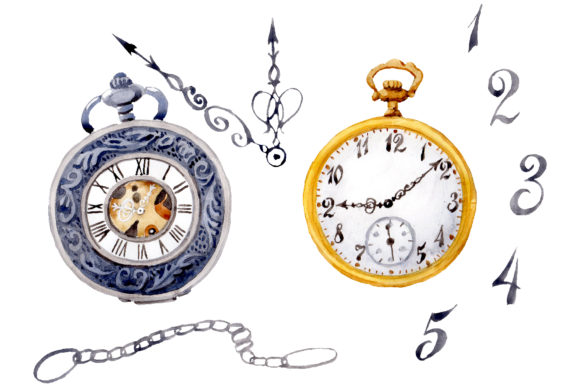
The aesthetic of Clock Old Watercolor immediately evokes a sense of nostalgia. It carries that soft, slightly distressed look that mimics traditional watercolor painting, which is a popular trend in modern home decor and apparel. The shape is organic, avoiding harsh geometric lines in favor of flowing edges that suggest age and character. For an embroidery designer, this is exciting because it offers a break from the rigid, high-contrast vector art that dominates many commercial listings.
However, the "watercolor" effect is a double-edged sword in machine embroidery. In a digital image, gradients are smooth and seamless. In thread, we have to rely on fill stitch density and color blending to achieve that same softness. My initial assessment is that this design works best when the goal is to create a focal point rather than a subtle background element. It demands attention, making it perfect for a statement piece like a custom tote bag or a heavy cotton sweatshirt.
Testing the Waters: A Real-Life Project Scenario
Let’s imagine a practical scenario. I am preparing a new line of holiday gifts for a local Etsy seller who specializes in cozy, rustic home goods. She wants to create embroidered pillow covers featuring vintage-inspired motifs. Clock Old Watercolor seems like a natural fit. The theme of time passing aligns perfectly with the sentimentality of holiday gifting.
In this context, I would place the design on a 5x7 inch hoop using a medium-weight linen blend. The texture of the linen would actually enhance the watercolor illusion, as the thread sits slightly differently on a textured surface compared to smooth polyester. The visual appeal here is high; customers buying these pillows are looking for something that feels curated and artisanal, not mass-produced. If the stitching captures the soft edges correctly, the finished product could command a higher price point due to its perceived craftsmanship.
Conversely, if I tried to use this same design on a thin baby onesie, I might run into trouble. The detail level required to mimic the watercolor wash could result in a stiff patch of thread that might irritate sensitive skin. This is why understanding the intended application is crucial before committing to a project.
Navigating Technical Challenges and Fabric Choices
While the artistic vision is strong, the technical execution requires careful planning. One of the biggest challenges with designs like Clock Old Watercolor is managing stitch density. To get that soft, painted look, you often need layers of fill stitches. If the density is too high, the fabric can pucker, especially on stretchy materials like jersey knit used for t-shirts or leggings.
I always advise my clients to test the design on scrap fabric first. Specifically, check how the design performs on dark fabrics. The light, airy tones typical of a watercolor clock might get lost against a black background unless you use a bright white underlay or switch to a lighter base fabric. On dark garments, the contrast is key to maintaining the integrity of the illustration.
Furthermore, consider the hoop size. If the design is large, attempting to stitch it on a curved surface like a baseball cap can distort the shape. The soft edges of the watercolor style might look jagged if the fabric isn't held perfectly taut. For caps, a smaller version or a simplified outline might be safer, but for flat surfaces like aprons, tea towels, or tote bags, the full complexity of the design shines.
Strategic Use for Small Business Owners
- Custom Apparel: Ideal for heavyweight hoodies and canvas tote bags where the fabric supports heavier stitching without warping.
- Home Decor: Perfect for pillow covers, kitchen towels, and nursery wall hangings where a vintage vibe is desired.
- Personalized Gifts: Works beautifully as a monogram accent or a standalone motif on blankets and quilt squares.
- Embroidered Patches: Can be cut out and sewn onto denim jackets or backpacks, adding a unique, handcrafted touch.
Design Integrity and Commercial Viability
For those running a craft business or selling on platforms like Etsy, the quality of your machine embroidery design directly impacts customer trust. A poorly executed design with visible gaps or puckering can ruin the perception of your brand. Clock Old Watercolor has the potential to elevate a brand if handled correctly. It signals that you pay attention to detail and understand current design trends.
However, do not overlook the importance of licensing. Before using this digital embroidery file for any commercial projects, ensure you have the appropriate license to sell finished products. Many designers offer personal use licenses by default, which restricts you from selling items made with their art. Always confirm the terms to avoid legal issues down the road.
Also, think about your presentation. When creating printable mockups for your shop, show the design on various backgrounds. Demonstrate how it looks on both light and dark fabrics. This helps buyers visualize the final product and reduces return rates. High-quality photos of the actual stitched item are even better—they prove that the design holds up in real life.
Final Thoughts for the Creative Entrepreneur
In conclusion, Clock Old Watercolor is a versatile asset for the right maker. It brings a sophisticated, vintage feel to custom apparel and home goods, setting your work apart from generic competitors. But it requires a thoughtful approach. You must respect the limitations of the medium, choosing the right stabilizer, thread colors, and fabric textures to bring the illustration to life.
If you are a hobbyist looking to add some flair to your next project, or a professional decorator aiming to expand your catalog, this design offers a solid foundation. Just remember to test, adjust, and always prioritize the quality of the stitch. When done right, the result is a finished product that feels timeless, professional, and deeply satisfying to hold in your hands.