Farm Animals Hen Watercolor Embroidery Review
As a designer who has spent years translating digital art into tangible thread, I approach every new machine embroidery design with a mix of excitement and skepticism. The market is flooded with generic clip art that looks fine on a screen but falls apart under the needle. When I first opened the file for Farm Animals Hen Watercolor, I was looking for something different. I wanted to see if this specific illustration could survive the transition from pixel to stitch without losing its charm. This isn't just about pretty pictures; it is about creating a finished product that holds up in the real world.
The First Impression: Mood and Visual Personality
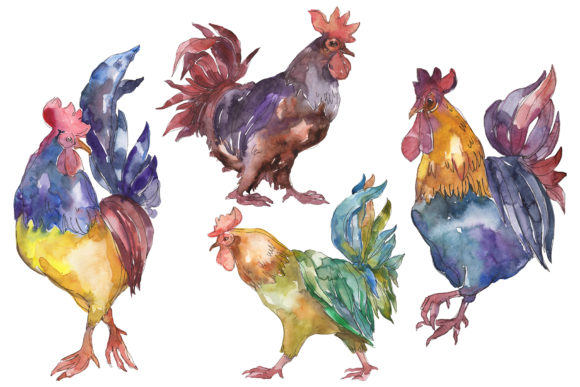
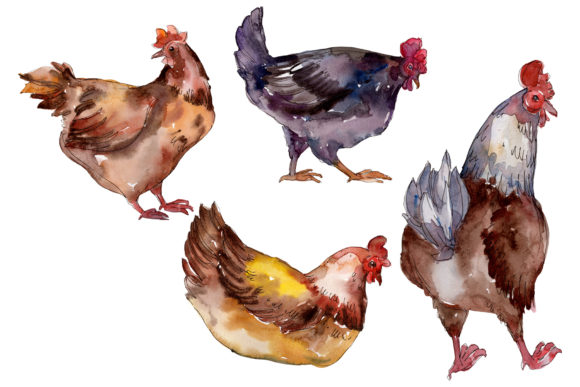
The moment you view the preview of Farm Animals Hen Watercolor, the mood is immediately established. It captures that soft, whimsical aesthetic that defines modern nursery decor and boutique kitchen goods. Unlike rigid vector line art, the watercolor style relies on gradients and soft edges to create depth. In the realm of Illustrations, this is a high-risk, high-reward category. The challenge lies in replicating the fluidity of paint using structured satin or fill stitches. Visually, the hen has a gentle, approachable personality that feels perfect for a handmade brand trying to evoke warmth and nostalgia. It does not scream "loud commercial logo"; instead, it whispers "carefully crafted gift."
However, my initial reaction as a professional reviewer is always to question the detail level. Watercolor effects often rely on subtle color bleeding. Can an embroidery file truly mimic that? In this case, the design uses clever layering of thread colors to suggest transparency rather than attempting impossible gradients. This makes it a viable candidate for serious production, provided the stitch density is managed correctly.
A Real-World Scenario: The Custom Tote Bag Project
To truly test Farm Animals Hen Watercolor, I imagined a specific project: a premium canvas tote bag for a local craft fair. My client wanted a design that felt organic and artistic, something that would stand out against the sea of printed polyester bags. I loaded the design into my machine, selecting a natural, unbleached cotton canvas as the base fabric. The texture of the canvas is crucial here; it provides enough tooth to hold the thread without puckering, which is essential for larger hoop size applications.
During the stitching process, the way the design handled the soft edges of the hen's feathers was impressive. Instead of sharp, jagged lines that can look cheap on a large scale, the fill stitch patterns blended smoothly. When I pulled the hoop off the frame, the result was a tactile piece of art. The thread colors popped against the neutral background, giving the impression of a painted patch rather than a standard machine applique. For an Etsy seller or small shop owner, this kind of visual appeal directly translates to higher perceived value. Customers are willing to pay more for a tote bag that looks like a one-of-a-kind piece rather than mass-produced merchandise.
Performance Across Different Applications
While the tote bag was a success, versatility is key for any commercial embroidery asset. How does Farm Animals Hen Watercolor perform elsewhere?
- Baby Embroidery: This design is naturally suited for baby clothes, receiving blankets, and bibs. The soft aesthetic aligns perfectly with nursery themes. However, because babies wear items that get washed frequently, the durability of the stitch is paramount. The design appears robust enough to withstand washing if backed with the correct stabilizer.
- Custom Apparel: On a sweatshirt or t-shirt, the design works well as a chest pocket placement or a centered back print. The organic shape avoids the stiffness often found in geometric logos, making it comfortable for daily wear.
- Home Decor: Pillow covers and tea towels benefit greatly from this style. The watercolor effect adds a touch of sophistication to kitchen textiles, elevating them from basic utility items to decorative accents.
- Embroidered Patches: If you are producing patches for hats or jackets, this design offers a unique alternative to the traditional embroidered badge look. It feels more like a wearable illustration.
Navigating Challenges and Limitations
No design is universal, and Farm Animals Hen Watercolor requires careful consideration regarding where and how it is used. There are specific scenarios where this design should be approached with caution.
First, avoid using this on highly textured fabrics like heavy denim or thick fleece unless you use a tear-away stabilizer designed for those materials. The soft details of the watercolor effect can get lost in the weave of rough fabric. Second, be wary of dark fabrics. While the design might look stunning on white or cream, placing it on black or navy requires significant adjustments to the thread colors. You may need to add a dense underlay or a backing layer to ensure the lighter watercolor tones remain visible. Without this, the design could appear muddy or faded.
Furthermore, do not attempt to shrink this design too much. The beauty of the watercolor style lies in its gradient transitions. If you scale it down to fit a small cap brim or a tiny shirt tag, the intricate running stitch details will blur, and the design will lose its definition. Always check the minimum recommended size before committing to a small hoop size project.
Practical Designer Notes for Success
If you decide to integrate Farm Animals Hen Watercolor into your business, follow these practical steps to ensure a professional outcome:
- Test on Scrap Fabric: Never skip this step. Stitch a sample on the exact fabric you plan to sell. Check for puckering, thread breakage, and color accuracy.
- Review Stitch Density: Inspect the back of the sample. If the threads are too tight, the fabric will pucker. If too loose, the design will lack structure. Adjustments may be needed depending on your machine.
- Check Licensing: Before selling any finished product or offering this as a digital embroidery file, confirm the licensing terms. Ensure you have the right to produce and sell items featuring this design.
- Use Proper Stabilizer: For delicate watercolor effects, a cut-away stabilizer often provides better support than a tear-away, preventing distortion over time.
- Mockup Testing: Create printable mockups in both light and dark backgrounds to visualize how the design will look to potential customers before you spend thread and time.
Final Verdict: A Valuable Asset for Makers
In conclusion, Farm Animals Hen Watercolor is a strong addition to any creative entrepreneur's library. It bridges the gap between digital art and physical craftsmanship, offering a unique aesthetic that resonates with buyers looking for personalized, handmade goods. Whether you are creating holiday gifts, launching a new line of custom apparel, or expanding your craft business inventory, this design brings a level of professionalism and artistic flair that generic assets cannot match.
It is not a "set it and forget it" design; it demands attention to detail, proper material selection, and thoughtful execution. But for those willing to put in the effort, the reward is a beautiful, high-quality product that builds customer trust and enhances your brand identity. As a designer, I appreciate assets that respect the medium of embroidery, and Farm Animals Hen Watercolor certainly earns its place in my toolkit for future projects.