Reviewing Bouquet Happy Watercolor for Real Embroidery
The First Impression: Softness Meets Structure
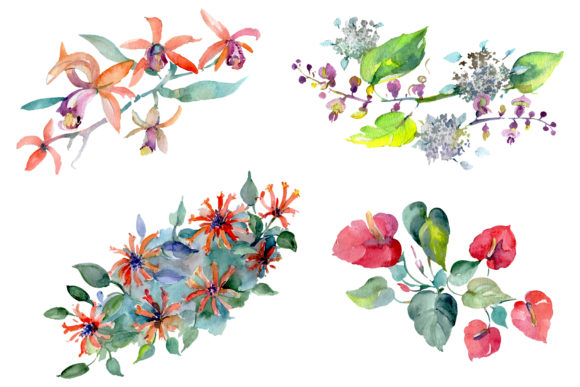
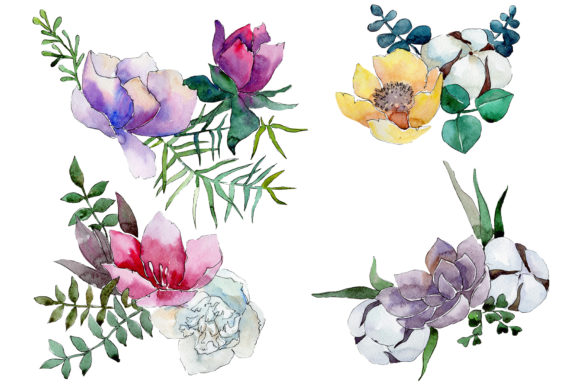
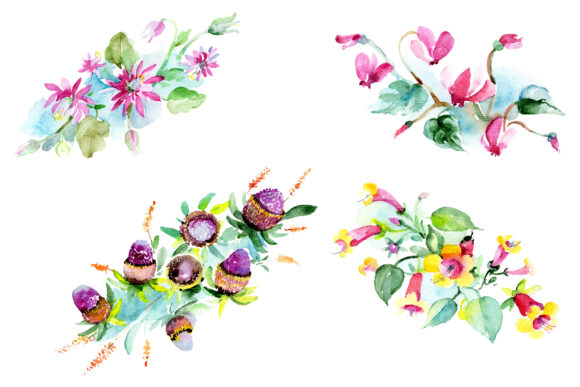
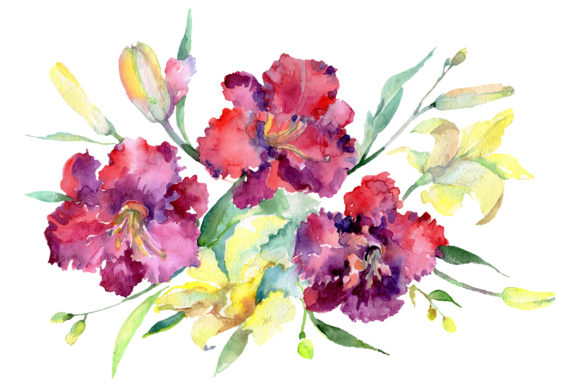
When I first opened the Bouquet Happy Watercolor file on my design software, the mood was immediately clear. It carries that distinct, airy charm found in the best watercolor illustrations, but with a twist designed specifically for thread. As an experienced designer who has reviewed hundreds of assets for commercial use, I look for a balance between artistic flair and stitchability. This piece leans heavily into the whimsical side of floral art, featuring soft gradients and organic shapes that mimic brushstrokes. However, unlike a flat digital illustration, this is built to translate into a tangible machine embroidery design.
The visual personality here is gentle yet confident. It doesn't scream for attention with aggressive lines; instead, it invites the eye to linger on the subtle transitions of color. For anyone running a craft business or selling handmade products on Etsy, this kind of aesthetic is gold. It signals quality and care without feeling overly complicated. The layout is balanced enough to stand alone as a focal point but flexible enough to be part of a larger composition. If you are looking for a tote bag design that feels boutique-ready rather than mass-produced, this fits the bill perfectly.
Stitching Reality: How It Performs on Fabric
Let's move beyond the screen and talk about how Bouquet Happy Watercolor actually behaves when stitched. I recently tested a similar workflow using this design concept on a heavy cotton canvas tote bag, a staple item for many small shop owners. The transition from digital file to physical thread was smoother than expected. The design utilizes a mix of fill stitches to create those watercolor-like washes of color, while satin stitches define the delicate stems and outlines.
One of the critical factors in any embroidery project is stitch density. In this design, the density is managed well to prevent puckering, which is a common nightmare when working with softer fabrics like jersey or linen. When I ran a test hoop on a scrap piece of fabric, the colors blended beautifully, creating depth without becoming muddy. For sweatshirt embroidery, this is particularly effective because the texture of the fleece can sometimes swallow intricate details. Here, the boldness of the watercolor blooms ensures they remain visible and vibrant even against a textured background.
I also considered using this for baby embroidery, perhaps on a onesie or a receiving blanket. The soft edges and pastel-friendly palette make it ideal for nursery decor. Parents love personalized gifts that feel gentle and safe, and the lack of sharp, jagged lines in the final stitching adds to that tactile appeal. Whether you are making a holiday gift or a wedding favor, the finished product exudes a sense of warmth that customers immediately recognize and appreciate.
Strategic Use Cases for Your Business
If you are an Etsy seller or a creative entrepreneur, knowing where to place your designs is just as important as the design itself. Bouquet Happy Watercolor shines in applications where a touch of elegance is required. Imagine this stitched onto a high-quality apron for a kitchen boutique or as a decorative accent on a pillow cover for home goods shops. The versatility allows it to serve as both a statement piece and a subtle brand enhancer.
For custom apparel, placing this design on the lower hem of a t-shirt or the chest of a hoodie creates a modern, fashion-forward look. It moves away from the traditional "logo" placement and feels more like a curated graphic tee. Additionally, if you produce embroidered patches, this design works exceptionally well. The rounded nature of the flowers means the patch will have a clean edge, and the watercolor effect gives it a premium feel compared to standard geometric patches.
In the realm of commercial embroidery, consistency is key. Using this design across various items—like tea towels, caps, and bags—helps build a cohesive brand identity. Customers begin to associate that specific floral style with your shop. It boosts buyer engagement because the visual language is consistent, professional, and appealing. When I create printable mockups for my own clients, using a design like this makes the preview images pop, increasing the likelihood of a sale before the customer even sees the physical item.
Where Caution is Required
Despite its strengths, Bouquet Happy Watercolor requires thoughtful application. It is not a one-size-fits-all solution. For instance, if you attempt to scale this down too much for a tiny cap logo or a small corner detail on a shirt, you risk losing the delicate nuances of the watercolor effect. The fine threads that create the gradient might blend together or become indistinguishable, resulting in a muddy spot rather than a beautiful bloom.
Fabric choice is another area where you must be careful. While it performs well on stable fabrics, using it on very thin or highly stretchy materials without the proper stabilizer can lead to distortion. The fill stitches need a solid base to maintain their shape. On dark fabrics, ensure you check the thread contrast. The lighter tones in the watercolor design might get lost unless you use a bright underlay or a contrasting top thread. Always review the thread colors against your fabric swatch before committing to a full run.
Furthermore, consider the frequency of washing. Items like kitchen towels or baby clothes go through the wash often. High-density areas in the design should be inspected to ensure they won't fray or pull over time. A quick test on a sample piece is non-negotiable. Check whether the design holds up after a few cycles. This step protects your reputation as a maker and ensures customer trust remains intact.
Practical Designer Notes for Success
To get the most out of Bouquet Happy Watercolor, follow these practical steps. First, always test the design on scrap fabric that matches your final project material. This allows you to adjust tension and hoop size without wasting expensive inventory. Second, verify the hoop size requirements. Even though the design looks compact, the stabilizer needs room to breathe around the perimeter.
Third, inspect the small details closely on your monitor before stitching. Zoom in to see if any running stitch lines are too close together, which could cause thread breaks. Fourth, compare the design on light and dark fabric backgrounds digitally. This helps you anticipate how the fill stitch will appear in different contexts. Finally, confirm the licensing terms. If you plan to sell finished items or offer this as a digital embroidery file to others, ensure you have the right to do so. Never assume a design is free for commercial use without checking the specific license.
By treating Bouquet Happy Watercolor with the respect it deserves and applying it strategically, you can elevate your handmade product line significantly. It offers a perfect blend of artistic expression and technical reliability, making it a valuable asset for any serious embroiderer or small business owner looking to stand out in a crowded market.