White Poppies Watercolor Set: A Designer Review
As a designer who has spent years navigating the gap between digital files and physical stitches, I approach every new machine embroidery design with a critical eye. The market is flooded with generic patterns, but occasionally, a set arrives that feels different. The White Poppies Watercolor Set is one of those rare finds. At first glance, it sits comfortably in the Illustrations category, offering a soft, artistic aesthetic that many commercial designs lack. But does this visual appeal translate to the hoop? Is it practical for a craft business owner looking to expand their catalog, or is it too delicate for real-world use? Let's dig into how this embroidery file performs when you move from the screen to the fabric.
The First Impression: Softness Meets Structure
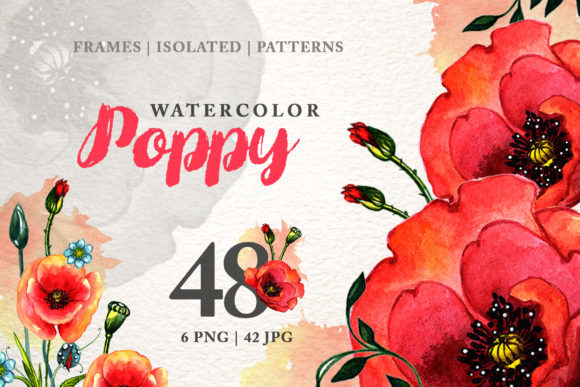
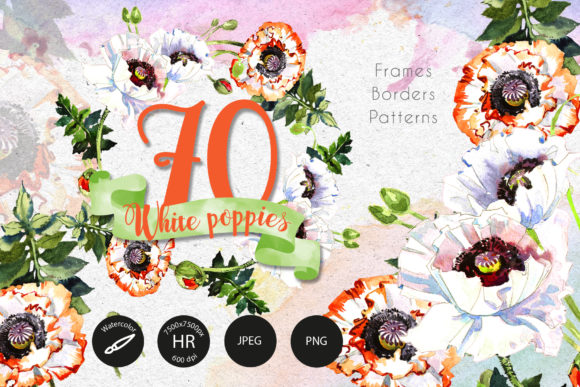
When I first opened the digital embroidery file, the mood was immediately clear. These aren't rigid, geometric poppies; they are fluid and organic. The watercolor effect is achieved through clever shading and gradient fills rather than thousands of tiny satin stitches, which is a breath of fresh air for anyone tired of overly dense designs. For an Etsy seller or boutique brand, this style screams "handmade" without requiring actual hand-stitching. It captures that painterly quality that customers love on personalized gifts.
However, the transition from illustration to embroidery requires careful planning. The design relies heavily on the interplay of white thread against a background, or perhaps light pastels. This means your choice of fabric texture becomes critical. On a smooth cotton, the fill stitch will likely look crisp. On a nubby linen or a heavy canvas, the subtle gradients might get lost in the weave. Before committing to a batch of small shop product inventory, I always recommend testing the stitch density on a scrap piece of your intended material.
Real-World Application: Where Does It Shine?
Let's talk about a specific scenario. Imagine you are preparing a custom embroidered tote bag for a spring collection. You want something that feels elevated but not overpowering. The White Poppies Watercolor Set is perfect here. Placed subtly on the lower corner of a natural-colored canvas tote, these flowers add a touch of elegance without dominating the space. The design works beautifully as a tote bag design because the watercolor edges blend softly, avoiding the harsh outlines that can make floral designs look dated.
I also see immense potential for sweatshirt embroidery. Picture a cream-colored crewneck with a large poppy arrangement centered on the chest. Because the design uses varying densities to create the watercolor look, it won't feel like a heavy patch sitting on top of the fleece. Instead, it integrates into the garment. For baby embroidery, this set is equally compelling. A onesie or a burp cloth featuring a single, small white poppy feels gentle and modern, far superior to the loud, primary-colored graphics often found in baby sections.
If you are creating holiday embroidery items, specifically for Mother's Day or spring weddings, these poppies offer a timeless alternative to standard florals. They work well on pillow covers and kitchen towels, adding a sophisticated touch to home decor. For the apparel decorator focusing on custom apparel, the versatility of this set allows for both standalone statements and part of a larger composition, perhaps paired with simple script lettering for names or dates.
Navigating Challenges: Fabric and Technique
While the White Poppies Watercolor Set is versatile, it is not without its challenges. The nature of a watercolor effect means there are areas of low density. If you attempt this design on a dark fabric without a proper backing, the white threads may show through less effectively, or the background color might bleed into the lighter areas visually. I strongly advise using a high-quality stabilizer, especially if working with stretchy fabrics like jersey knit. Without it, the fabric could pucker, ruining the soft aesthetic of the finished product.
Another consideration is the hoop size. While the individual poppies are manageable, arranging them into a bouquet requires a larger hoop to maintain the correct proportions and spacing. If you try to force a large arrangement into a small 4x4 hoop, the details will compress, and the watercolor illusion will break down. Always check the dimensions before you start. Furthermore, be cautious with textured fabrics like denim or thick wool. The intricate shading might get swallowed by the fabric's grain, making the design look muddy rather than artistic.
For embroidered patches, this design offers a unique opportunity. However, because the edges are soft, cutting around the design requires precision. A laser cutter or a very sharp pair of shears is necessary to maintain the organic shape. If you are producing these for commercial embroidery, ensure your production team understands that the "bleed" of the watercolor effect needs to be accounted for in the cutting line.
Business Value and Professional Presentation
From a business perspective, using a design like White Poppies Watercolor Set elevates your brand. It signals to the customer that you care about aesthetics and quality. In a saturated market where everyone is selling basic monograms, a well-executed watercolor floral design stands out. It increases the perceived value of your handmade product, allowing you to charge a premium price point. Customers associate this style with artisanal quality, which builds trust and encourages repeat purchases.
When listing these items on platforms like Etsy, the visual appeal translates directly to buyer engagement. High-quality photos of the finished product showing the texture of the thread and the softness of the petals can drive sales. However, honesty is key. Use printable mockups to show how the design looks on different backgrounds, but always include real photos so customers understand the limitations of the medium. Transparency regarding the thread colors and fabric choices helps manage expectations and reduces returns.
Practical Notes for the Designer
Before you integrate the White Poppies Watercolor Set into your workflow, follow these practical steps:
- Test Run: Always embroider a test version on scrap fabric first. Check for any skipped stitches or tension issues, particularly in the lighter shaded areas.
- Color Contrast: Experiment with different thread colors. While white is classic, trying pale blues, dusty pinks, or sage greens can create entirely different moods suitable for various seasons.
- Stabilizer Choice: Do not skimp on stabilizer. For watercolor effects, a tear-away might leave residue, while a cut-away provides better support for the delicate fill stitches.
- Licensing Check: As a professional, always confirm the licensing terms. Ensure you have the right to sell finished products and whether you can distribute the digital embroidery file itself. Never assume commercial rights unless explicitly stated.
- Mockup Testing: View the design in black and white to check contrast levels. Sometimes, what looks good in color loses definition in grayscale, which affects how it prints on marketing materials.
In conclusion, the White Poppies Watercolor Set is a strong addition to any designer's library. It bridges the gap between digital art and textile craft, offering a sophisticated option for personalized gifts, home decor, and apparel. With careful attention to fabric selection, stabilizer usage, and hoop sizing, this design can become a signature element of your craft business. It proves that even a simple flower, when executed with thought and technical skill, can transform a plain garment into a cherished keepsake.