Orange Carrot Watercolor Vegetables Set Review
As a designer who has spent years translating digital art into tangible thread, I approach every new machine embroidery design with a mix of excitement and skepticism. The gap between a beautiful screen image and a successful finished product can be wide. Today, I am putting the Orange Carrot Watercolor Vegetables Set through its paces to see if it holds up under real-world scrutiny. This isn't just about whether the pixels look good; it is about how the threads will behave on fabric, how customers will perceive the final item, and whether this asset belongs in your professional portfolio or your personal stash.
The First Impression: Mood and Visual Personality
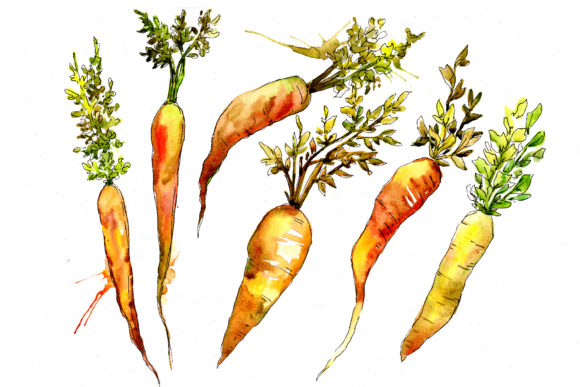
When I first opened the preview for the Orange Carrot Watercolor Vegetables Set, the immediate feeling was one of warmth and organic charm. The watercolor aesthetic is currently dominating the home decor and lifestyle markets, moving away from rigid vector lines toward softer, more painterly expressions. In the world of Illustrations, this style suggests a handmade quality that resonates deeply with buyers looking for unique, artisanal goods. The color palette, dominated by vibrant oranges and earthy greens, feels perfect for autumn harvest themes, kitchen textiles, or nursery decor.
However, as an experienced reviewer, my eyes immediately go to the edges. Watercolor designs often rely on soft gradients and bleeding colors. In embroidery, we cannot replicate a true bleed without specific techniques. The challenge with this set is determining if the design uses fill stitch to mimic the wash or if it relies on dense satin stitch outlines that might feel too stiff. For a high-end handmade product, the transition between colors needs to be seamless. If the design files are well-constructed, they should use varied stitch angles and density changes to create that soft, painted look rather than a blocky, plastic appearance.
A Real-World Scenario: The Custom Kitchen Towel Project
To truly test the Orange Carrot Watercolor Vegetables Set, let's imagine a specific project: creating a line of premium embroidered kitchen towels for a small boutique shop. These towels need to be durable, washable, and visually appealing enough to command a higher price point on Etsy or at a craft fair. I envision placing a cluster of these carrots and leafy greens in the corner of a heavy cotton linen towel.
In this scenario, the texture of the fabric becomes critical. Linen has a natural slub and weave that can interfere with delicate details. If the embroidery file includes very fine lines for the carrot tops, they might get lost in the fabric texture unless the stitch density is high enough. Conversely, if the density is too high on a textured fabric, the towel could pucker or become stiff, ruining the drape. A successful execution here would require using a strong cutaway or tear-away stabilizer to ensure the stitches lay flat against the uneven surface of the linen. The result, if done correctly, would be a stunning personalized gift that feels both rustic and refined.
Navigating Fabric Challenges and Placement
While the design looks fantastic on a flat screen, practical application requires careful thought regarding where you place it. The Orange Carrot Watercolor Vegetables Set is likely best suited for stable fabrics like canvas, denim, or thick cotton blends. I would advise caution when using this on stretchy materials like jersey knit for custom apparel or sweatshirts. The pull of the stitches on a stretchy fabric can distort the soft watercolor shapes, making them look warped once the garment is worn.
If you are considering this for a cap embroidery project, pay close attention to the curved surfaces. Watercolor effects rely on smooth transitions, which can be difficult to maintain around the curve of a baseball cap. The stitches might bunch up, breaking the illusion of a paint wash. Similarly, for baby embroidery items like onesies, safety and comfort are paramount. Ensure there are no loose threads or overly dense areas that could irritate sensitive skin. Always check the back of the design to see how the stabilizer interacts with the fabric; a bulky backside can make a baby item uncomfortable.
Considerations for Small Hoop Sizes
One of the most common pitfalls with detailed illustration sets is trying to fit them into a small hoop. The Orange Carrot Watercolor Vegetables Set features intricate details in the leaves and the gradient shading of the carrots. If you attempt to shrink this design significantly to fit a 4x4 inch hoop, you risk losing the definition of the watercolor effect. The stitches may become too tight, leading to thread breakage or a muddy appearance. Always confirm the recommended hoop size before starting your embroidery project. If you must resize, be prepared to simplify the design or accept a loss in visual fidelity.
Enhancing Product Value and Brand Consistency
For Etsy sellers and creative entrepreneurs, the choice of design directly impacts brand perception. Using a high-quality asset like this set can elevate a simple tote bag into a collectible piece. The whimsical nature of the vegetables adds a touch of personality that generic clipart lacks. When a customer sees a tote bag design that mimics a hand-painted illustration, they are more likely to trust the craftsmanship behind it. This perceived value allows you to price your items competitively while maintaining healthy profit margins.
Furthermore, consistency is key for building a loyal customer base. If your shop specializes in botanical or kitchen-themed goods, the Orange Carrot Watercolor Vegetables Set fits perfectly into that narrative. It creates a cohesive look across your small shop product line, from pillow covers to aprons. However, remember that the execution matters just as much as the design itself. Poor stitching can ruin even the best artwork. Take the time to create a printable mockup or a physical sample to ensure the colors match your brand guidelines and the stitching quality meets your standards.
Practical Designer Notes for Success
Before you commit to a full production run or sell your first finished item, follow these essential steps to ensure the Orange Carrot Watercolor Vegetables Set performs as expected:
- Test on Scrap Fabric: Never skip the test run. Stitch the design on a scrap piece of the exact fabric you plan to use. This helps you identify any tension issues, puckering, or thread breaks before you waste expensive material.
- Check Thread Color Contrast: Watercolor designs often rely on subtle shifts in tone. On dark fabric, light orange and green threads might not show the intended depth. You may need to adjust the thread colors or add a backing layer to enhance visibility.
- Review Stitch Density: Inspect the digital embroidery file settings. High density can cause fabric distortion, while low density might leave gaps that reveal the background fabric, breaking the watercolor illusion.
- Inspect Small Details: Zoom in on the smallest elements, like the tips of the carrot leaves. Ensure they are stitched clearly and do not dissolve into a blob of thread.
- Verify Licensing: Before selling commercial embroidery items, always confirm the licensing terms. Some designs are for personal use only, while others allow for limited commercial sales. Never assume; read the license agreement carefully to avoid legal issues.
- Compare Light and Dark Backgrounds: Test how the design looks on both light and dark fabrics. The Orange Carrot Watercolor Vegetables Set might need different thread palettes to work effectively on black denim versus white linen.
Final Thoughts on Commercial Viability
The Orange Carrot Watercolor Vegetables Set offers a delightful opportunity for designers looking to add a touch of artistic flair to their work. Its potential lies in its ability to bridge the gap between digital art and tactile textile design. While it requires careful attention to fabric choice, stabilizer use, and hoop sizing, the payoff is a finished product that stands out in a crowded market.
Whether you are crafting a holiday gift, stocking your boutique shelves, or fulfilling custom orders for clients, this design has the versatility to shine. Just remember that the magic happens in the execution. By respecting the limitations of the medium and testing thoroughly, you can transform these digital illustrations into cherished, high-quality embroidered treasures. As always, trust your eye, test your work, and let the quality of your stitching speak for itself.