Ornament Orange Poppies Watercolor Review
A Designer's Take on Stitching This Floral Motif
As someone who has spent years navigating the gap between digital design files and physical stitched products, I approach every new machine embroidery design with a mix of excitement and skepticism. The market is flooded with generic floral patterns, but finding a piece that translates well from screen to fabric requires a keen eye for detail. Today, I am evaluating the Ornament Orange Poppies Watercolor, a design categorized under Illustrations. My goal is not just to describe what it looks like, but to determine if it holds up under the scrutiny of real-world production for your craft business or personal projects.
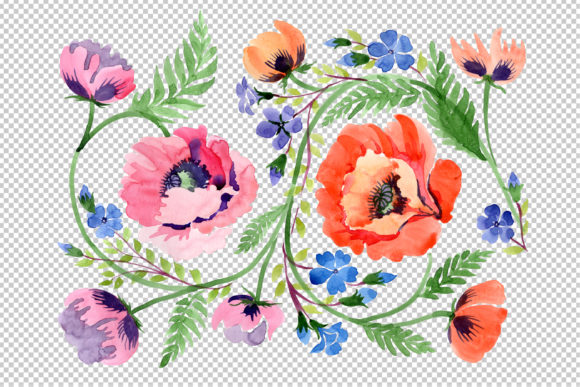
At first glance, the Ornament Orange Poppies Watercolor captures a specific mood: warm, organic, and slightly nostalgic. The watercolor aesthetic in digital form relies heavily on soft gradients and bleeding edges. When converted into an embroidery file, this style presents unique challenges. Unlike crisp vector art, watercolor effects depend on how the thread interacts with the fabric to mimic paint. The orange hues are vibrant without being neon, suggesting a design that would pop beautifully against neutral backgrounds like cream, beige, or soft gray cottons. However, the true test lies in how the stitch density handles those delicate transitions.
Visual Impact and Project Suitability
Imagine you are preparing a line of custom apparel for an upcoming fall collection. You have a batch of heavy-weight sweatshirts and sturdy canvas tote bags ready for decoration. This is where the Ornament Orange Poppies Watercolor truly shines. The shape of the poppies is bold enough to remain recognizable even when scaled up, making it an excellent candidate for sweatshirt embroidery on the chest or back. The layout feels balanced, avoiding the common pitfall of being too top-heavy, which can cause puckering on thicker garments.
For the Etsy seller or small shop owner looking to create high-value items, this design offers a distinct advantage. It moves away from the standard clip-art look and leans into a more artistic, hand-painted feel. If you were to use this as a tote bag design, the large floral elements would command attention at a craft fair. Customers often gravitate toward designs that feel "made" rather than mass-produced. The visual personality of these poppies suggests a finished product that feels curated and thoughtful, potentially increasing your perceived brand value and customer trust.
Consider also the potential for holiday embroidery or seasonal gifts. While poppies are often associated with spring, the deep orange tones work exceptionally well for autumnal themes, harvest markets, or even Thanksgiving table runners. A kitchen towel or apron featuring this motif would add a splash of color to a home kitchen, making it a practical yet decorative personalized gift. The design's versatility allows it to fit into various niches, from nursery decor—where softer versions could appeal to parents—to boutique branding for a local florist or cafe.
Navigating Technical Challenges
However, enthusiasm must be tempered with technical reality. Because this design mimics a watercolor style, it likely relies heavily on fill stitch variations to create depth. This brings us to the critical issue of stitch density. On thin or stretchy fabrics, such as jersey t-shirts or silk blends, a dense fill can cause significant puckering, ruining the drape of the garment. If you plan to use the Ornament Orange Poppies Watercolor on lightweight materials, you will need to experiment with different stabilizers and perhaps reduce the density settings in your software if possible.
The size of the hoop is another factor to consider carefully. While the overall composition is robust, the delicate petals and centers of the flowers contain fine details. If you attempt to shrink this design significantly to fit a small 4x4 inch hoop for a cap or a baby onesie, you risk losing the watercolor effect entirely. The threads may clump together, turning soft gradients into muddy blobs. For baby embroidery or embroidered patches intended for hats, ensure the scale remains large enough to preserve the integrity of the petals. Curved surfaces like caps require extra attention; the tension needed to stitch around the curve can distort the organic shapes of the flowers if the design isn't anchored correctly.
Furthermore, the choice of background fabric matters immensely. On dark fabric, the light orange tones might struggle to stand out unless you use a bright white underlay or switch to lighter thread colors. Conversely, on very textured fabrics like linen or tweed, the fine lines of the running stitch or delicate satin accents might get lost in the weave. Always test the design on scrap fabric that matches your final project material. Check the thread color contrast before committing to a full run. A quick test on a swatch can save you from wasting expensive thread and time on a flawed finished product.
Strategic Advice for Commercial Use
For those running a craft business or selling digital product assets, understanding the licensing and presentation is key. Before listing items made with Ornament Orange Poppies Watercolor on your shop, confirm the licensing terms regarding commercial use. Some designers allow sales of finished goods but restrict the resale of the digital embroidery file itself. Clarity here protects your business reputation and avoids legal headaches down the road.
When creating printable mockups for your online store, try to show the design on both light and dark backgrounds. This gives customers a realistic idea of how the thread colors will interact with their chosen items. Highlight the texture of the stitches in your photos; close-up shots that show the interplay of the satin stitch on the petal edges and the fill stitch in the centers can dramatically increase buyer engagement. People want to see the quality of the workmanship, not just a flat image.
In conclusion, the Ornament Orange Poppies Watercolor is a strong contender for designers seeking to elevate their custom apparel and handmade goods. It offers a fresh, artistic alternative to rigid geometric patterns. By respecting its technical requirements—particularly regarding hoop size, fabric weight, and stabilizer choice—you can transform this digital illustration into a stunning, tangible piece of art. Whether you are stitching a one-off holiday gift or producing a batch of merchandise for your boutique, this design has the potential to become a signature element in your portfolio. Just remember: always test, always check your tension, and let the natural beauty of the thread do the talking.